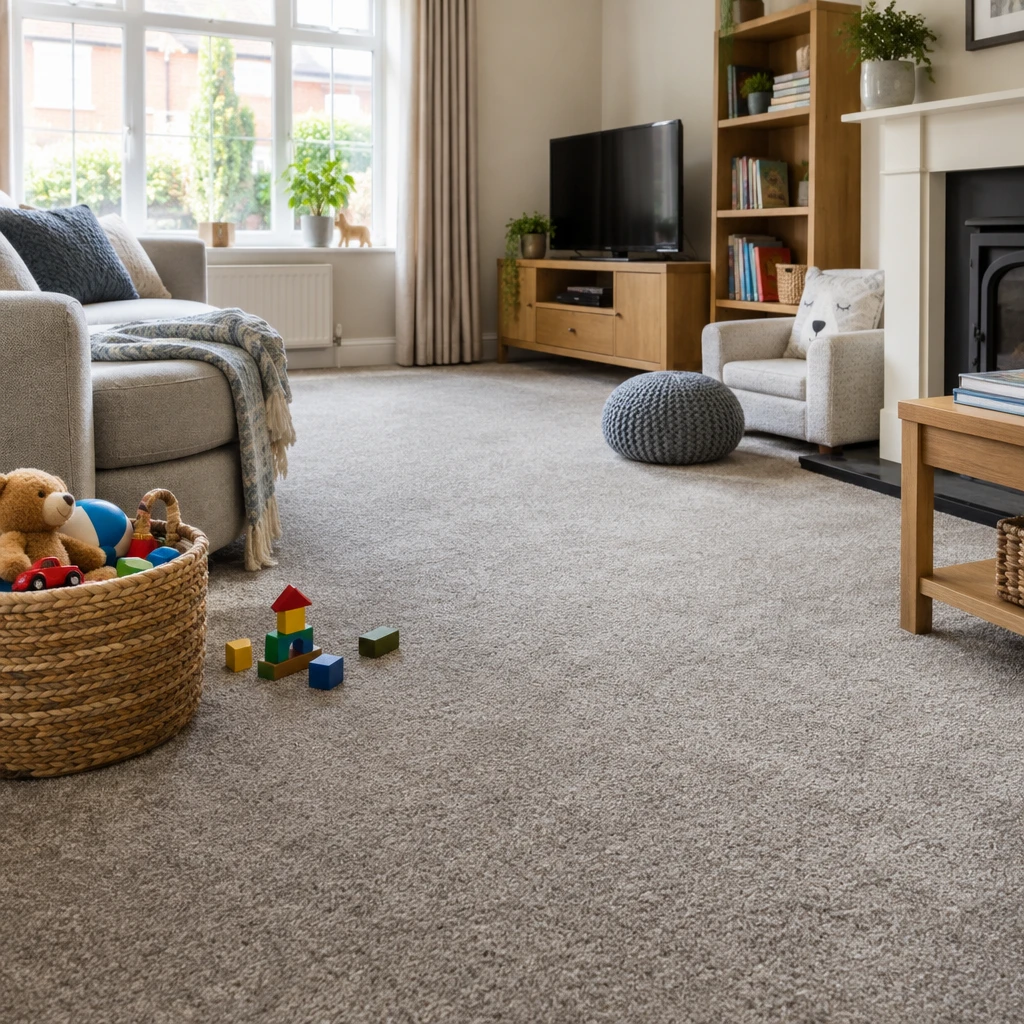
The best carpet for families with children is usually a dense twist-pile carpet with good resistance to wear, a practical mid-tone colour and a fibre that suits the household\’s cleaning needs and budget. Polyamide carpet is often considered for busy family spaces because it balances resilience with softness. Polypropylene can also be practical where stain resistance is a priority while wool and wool-rich blends appeal to households seeking natural comfort and appearance.
No single carpet is right for every family home. The best choice depends on the room, expected foot traffic, frequency of spills, presence of pets and how the carpet will be maintained. Underlay quality and professional fitting also affect how the finished floor feels and performs.
What is the best carpet for families with children?
For most busy family homes a short or medium twist pile with a dense construction is a dependable starting point. This type of carpet tends to hide footprints better than a smooth velvet finish and is generally easier to vacuum than a deep pile. A flecked or subtly patterned surface can also make crumbs, small marks and everyday wear less noticeable between cleaning sessions.
Look beyond softness when comparing samples. A very soft carpet may feel appealing in a showroom but density, fibre type and room suitability are more important for areas used throughout the day. Ask whether the carpet is rated for the intended level of domestic use and check the manufacturer\’s care instructions before deciding.
Busy living rooms: prioritise resilience, cleanability and a practical colour.
Children\’s bedrooms: balance comfort with straightforward vacuuming and stain care.
Playrooms: consider a dense surface that can cope with frequent activity and movable furniture.
Hallways: choose a construction suitable for heavier foot traffic and outdoor dirt carried into the home.
Compare carpet fibres before choosing
Carpet fibre affects feel, appearance, resilience, stain behaviour and price. The fibre label should be checked rather than judging a carpet by touch alone.
Polyamide carpet
Polyamide is a synthetic fibre often chosen for active households because it can offer good resilience and a comfortable finish. It is available in many colours and constructions. Some polyamide carpets include a stain-resistant treatment but treatment does not make a carpet stainproof. Spills still need prompt attention using cleaning methods approved by the manufacturer.
Polypropylene carpet
Polypropylene is valued for its resistance to many water-based stains and is often available at accessible price points. Some products may permit diluted bleach cleaning but this must never be assumed. Only use bleach if the specific manufacturer instructions explicitly allow it and follow the stated dilution and application guidance. Product quality and resistance to crushing vary so check suitability for the room.
Wool and wool-rich carpet
Wool offers natural warmth, texture and resilience. Wool-rich blends combine wool with synthetic fibres to adjust performance and cost. These carpets can be suitable for family homes but they require appropriate stain care and may cost more than some fully synthetic options. Strong cleaning products can damage wool so the care guidance is particularly important.
Polyester carpet
Polyester can provide a soft feel and strong colour clarity. Its suitability for a busy room depends on the construction and product rating rather than the fibre name alone. Compare density, pile style and intended-use information before selecting polyester for a high-traffic family space.
Choose a practical pile style and construction
Twist pile is often the most versatile construction for families because the twisted yarns create a textured surface that can disguise footprints and vacuum marks. A dense twist carpet can work well in living rooms, bedrooms and other regularly used spaces.
Loop-pile carpet has a textured appearance and can provide a firm practical surface. However households with pets should consider whether claws could catch in larger or more pronounced loops. The risk depends on the carpet construction and the animal\’s behaviour. Cut-pile options may be preferable where snagging is a concern.
Deep shaggy carpet provides cushioning but can trap crumbs, craft materials and small toy pieces more readily. It usually takes more effort to vacuum thoroughly. A shorter pile is often easier to manage in playrooms or dining areas where food and craft spills are likely.
Density also matters. When comparing samples bend the carpet gently and look at how easily the backing becomes visible. This simple comparison can indicate how closely the yarns are packed but it should not replace the product\’s technical specification or use classification.
Pick colours that suit real family life
Mid-tone colours, heathered yarns and subtle patterns are usually more forgiving than very pale or very dark plain carpet. Beige, warm grey, taupe and muted natural shades can disguise everyday dust and small marks without making a room feel dark. Flecked finishes are especially useful where the carpet needs to look presentable between vacuuming sessions.
Very pale carpet can work in a lower-use bedroom but may show muddy marks or drink spills quickly. Very dark carpet can reveal lint, pale crumbs and pet hair. The ideal shade should be assessed under the room\’s natural and artificial light because a showroom sample may look different at home.
Take paint colours, curtains and major furniture into account but avoid choosing solely for current décor. Carpet is difficult to change compared with accessories. Ordering or borrowing samples for viewing in the actual room can help a family compare texture and colour at different times of day.
Balance stain resistance with safe cleaning
Stain-resistant carpet reduces some maintenance challenges but no carpet is completely stainproof. Fast action is normally the most useful response to a spill. Remove solids carefully then blot liquid with a clean absorbent cloth. Rubbing can spread the spill or distort the pile.
Always follow the carpet manufacturer\’s cleaning instructions. An unsuitable detergent, excessive water or aggressive scrubbing can cause discolouration, residue or pile damage. Professional cleaning may be appropriate for widespread soiling or difficult stains. The correct method depends on the fibre, backing and nature of the contamination.
Keep drinks in suitable containers where practical.
Use entrance matting to reduce grit and moisture carried indoors.
Vacuum regularly with equipment suitable for the pile type.
Deal with spills promptly rather than allowing residue to dry.
Test an approved cleaning product in an inconspicuous area first.
Stain warranties can include conditions and exclusions. Read the policy wording to understand required maintenance, excluded substances and whether professional cleaning records are needed. Suitability cannot be determined from a general description alone.
Consider comfort, acoustics and indoor conditions
Carpet creates a soft surface for sitting and play while helping to reduce impact noise within the home. Underlay can add cushioning and contribute to the overall feel. Carpet does not make a room childproof though. Loose edges, poorly fitted transitions and damaged flooring should be addressed to reduce avoidable trip risks.
Families concerned about allergies should focus on a consistent cleaning routine and the needs of the individual rather than assuming one flooring material will solve symptoms. Carpet can hold dust and allergens until vacuumed. Effective removal depends on regular cleaning, suitable equipment, ventilation and household conditions. Medical concerns should be discussed with an appropriate healthcare professional.
Where underfloor heating is installed the combined thermal resistance of the carpet and underlay must be suitable for the heating system. Check the carpet specification plus the underlay rating and the heating manufacturer\’s requirements. The correct combination depends on the system design and site conditions.
Match the carpet to each room
A single carpet can create continuity across several rooms but each space should still be assessed by use. A living room used for play needs a different balance from an occasional guest bedroom. Hallways usually receive concentrated traffic while rooms near external doors face more grit and moisture.
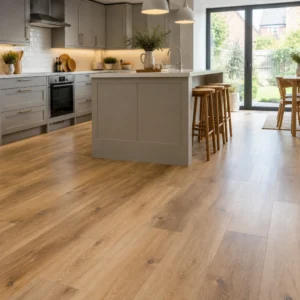
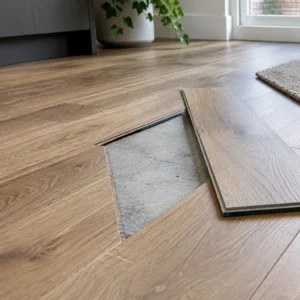
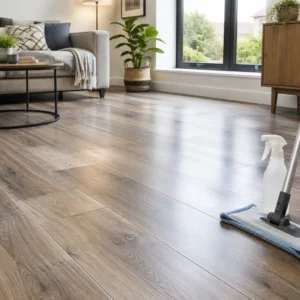
Carpet is not generally the most practical option for areas exposed to frequent water, grease or food preparation. Luxury vinyl tile may be worth considering for kitchens, utility rooms and some dining spaces because its hard surface can be easier to wipe. The subfloor condition, moisture risk and product requirements must be assessed before any flooring is installed.
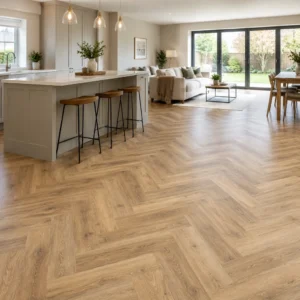
For open-plan homes families may combine fitted carpet in the seating area with LVT in the dining or kitchen zone. Transitions need to account for differences in finished floor height and movement requirements. A flooring professional can advise after inspecting the subfloor and planned layout.
Do not overlook underlay and professional fitting
Underlay supports comfort, insulation and the way carpet responds underfoot. The thickest underlay is not automatically the best. It needs to be compatible with the carpet, room use, doors, thresholds and any underfloor heating. Existing underlay may look serviceable but could be compressed or unsuitable for the new product.
Professional measurement helps account for room shape, joins, door clearances and the direction of the pile. Joins cannot always be avoided in larger or irregular rooms and their position should be discussed before fitting. Subfloor preparation may also be required because loose boards, uneven areas or moisture concerns can affect the installation.
Before ordering ask the flooring supplier about the carpet\’s domestic use classification, fibre content, care guidance, underlay options and relevant warranty terms. Comparing these details alongside samples gives a more reliable basis for choosing than colour or price alone.
All Type Flooring can help households in Kent compare family-friendly fitted carpet options and assess the practical requirements of each room. A site visit and product discussion can narrow the choice to carpets suited to the property\’s conditions, style and budget.
Frequently Asked Questions
Is a light-coloured carpet unsuitable for a home with children?
Not necessarily. A light carpet can suit a bedroom or lower-traffic room but it may show spills and tracked-in dirt sooner. A heathered light shade or subtle pattern is often more forgiving than a plain cream finish.
Should carpet be fitted before or after decorating a child\’s room?
Carpet is normally fitted after messy decorating work has finished and paint is fully dry. Skirting boards can be painted beforehand. Confirm the sequence with the decorator and flooring fitter because door adjustments or other site work may affect the plan.
Can heavy furniture leave marks in family-room carpet?
Furniture can compress carpet pile and underlay over time. Suitable furniture cups may help spread the load. Moving furniture slightly during periodic cleaning can also reduce concentrated wear but results depend on the carpet construction and weight involved.
Is carpet suitable when children use wheeled toys indoors?
Shorter dense pile is generally easier for small wheeled toys than deep or shaggy carpet. Check that toys are intended for indoor use and inspect wheels for grit or sharp edges that could mark the carpet.
Arrange a Kent home visit to compare practical fitted carpets for your family.